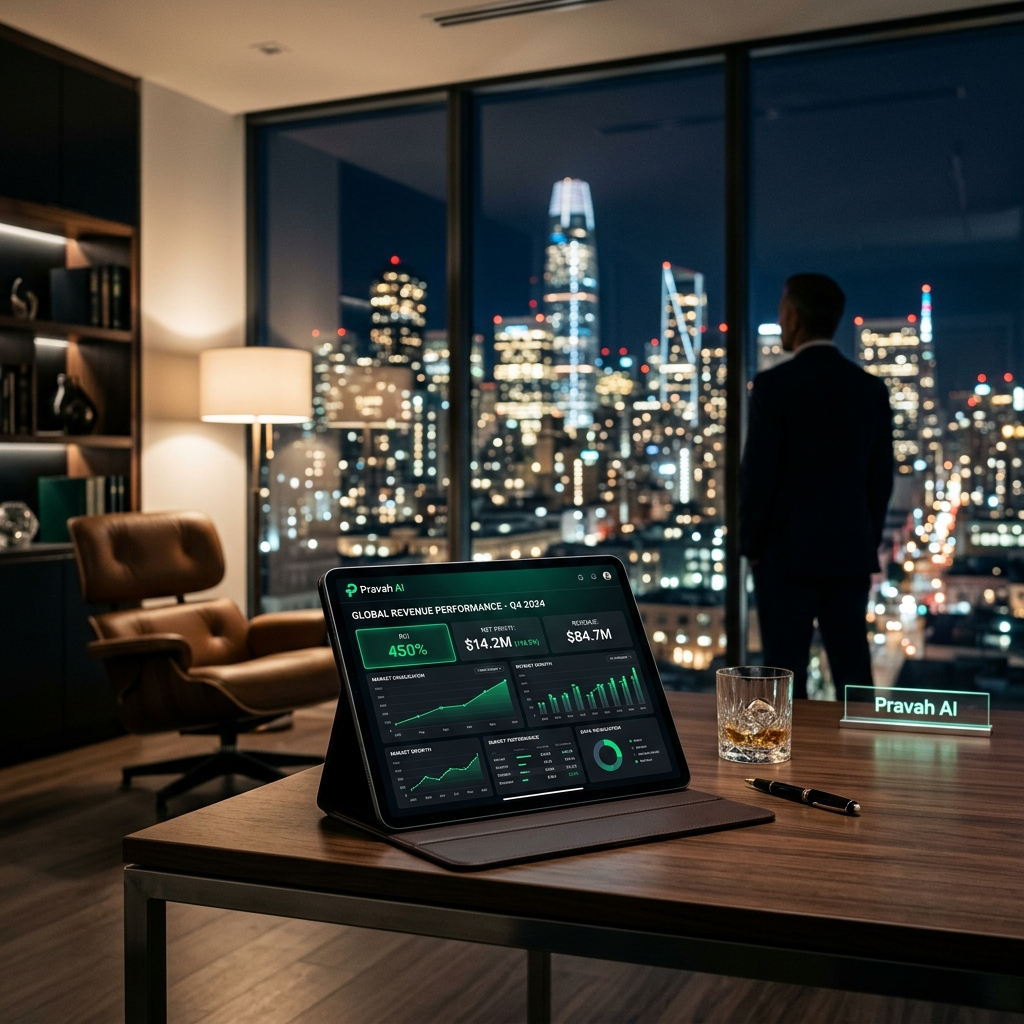
Trade shows and sponsored conferences have been a cornerstone of B2B revenue generation for decades — and in 2026, that hasn't changed. The channel works, but the CFO's role is to ensure that every dollar is defensible.
The Center for Exhibition Industry Research shows that a substantial number of events are surpassing their pre-pandemic performance levels. Market projections show consistent, multi-billion dollar growth in the B2B trade show market through the end of the decade. Your competitors are investing. Your buyers are attending. The question isn't whether to be there, but how to measure it.
This guide outlines the structured evaluation framework every CFO needs before signing off on event spend.
Why Event Budget Requests Deserve Structured Evaluation
Unlike paid digital, where every dollar is tied to an impression or click tracked in real time, events have traditionally produced lagged, aggregated data. This is an execution and tooling problem, not a channel problem. The CFO's role is to make solving it a condition of budget approval.
The Five Questions Every CFO Should Ask
1. Why These Events, and Why at This Investment Level?
Selection should be driven by ICP Density. What percentage of the attendee list matches your ideal customer profile (company size, role, tech stack)? An event where 40% of attendees are active buyers warrants investment; an event with 8% density is a brand presence at best.
2. What Is the Team Committing to Deliver, in Measurable Terms?
Every request needs a pre-event commitment. Not badge scans, but qualified meetings. A well-staffed booth should realistically deliver 8–15 qualified meetings per day. If they're projecting 200 leads but only counting scans, the plan isn't ready.
3. How Will Conversations Be Captured and Qualified — During the Event?
The data that determines ROI must be captured at the source. Modern platforms like Pravah AI enrich profiles (role, funding, stack) in under 10 seconds, allowing reps to see a qualification scorecard before the conversation starts. If the answer is "we'll upload everything when we get back," the data will degrade.
4. How Will We Define and Measure Attribution?
Define the rules in writing upfront:
- Event-Sourced: First substantive conversation happened at the event, documented in CRM, created within a 60-90 day window.
- Event-Influenced: Existing relationships advanced via stakeholders or renewal talks. Credited at 25–40% value.
- Not Attributed: Scans without follow-up or deals with no documented event touchpoint.
5. What Does Post-Event Accountability Look Like?
What happens in the 72 hours after the show? If the answer is "we'll debrief next week," your pipeline is evaporating. Top-tier prospects should receive contextually relevant, personalized outreach the evening they visit the booth.
The ROI Benchmark: What Good Looks Like
Without benchmarks, you can't evaluate performance in absolute terms. Maintain a scorecard for every event:
- Cost Per Qualified Meeting (CPQM): Total event cost divided by the number of qualified meetings.
- Cost Per Sourced Opportunity (CPSO): Total cost divided by opportunities created within the attribution window.
The CFO's Checklist: Before You Sign Off
Confirm these 6 items before approving any event sponsorship above your threshold:
- ✅ ICP density analysis completed for each proposed event.
- ✅ Specific qualified meeting commitment made by the sales team.
- ✅ Real-time data capture process defined and resourced.
- ✅ Attribution rules documented and agreed in advance.
- ✅ 30-60-90 day post-event review scheduled and owned.
- ✅ CPQM and CPSO benchmarks from prior events available.
How to Structure the 30-60-90 Day Post-Event Review
Approving the budget is the beginning of the process, not the end. Build in a mandatory 30-60-90 day review cadence for every major event. This longitudinal view is essential for B2B cycles where pipeline takes months to mature.
- 30 Days (Execution Review): Delivery against qualified meeting commitments, follow-up latency audit, and initial pipeline stage distribution.
- 60 Days (Progression Review): Conversion rate from booth meeting to active discovery, technical validation progress, and initial weighted pipeline value.
- 90 Days (Attribution Review): Final sourced vs. influenced deal classification, multi-stakeholder engagement audit, and provisional CPSO (Cost Per Sourced Opportunity) calculation.
What Other Finance Leaders Are Actually Saying
"Events are one of the first things CFOs scrutinize, and they're right to. The biggest mistake is spending heavily without the systems to capture or follow up. If sales isn't ready to follow up systematically, the return disappears." — CMO, PE-Backed Enterprise Tech
Financial discipline isn't about being anti-event. It's about being anti-unaccountable-spend. For PE-backed companies, the CFO doesn't have the luxury of "it builds relationships" as an ROI answer. They demand event ROI be as traceable as digital ROI.
The Channel vs. The Execution
Attendance data confirms the opportunity is real: the vast majority of trade show attendees have buying authority, and they are significantly more likely to buy from an exhibitor they met in person. The question is whether your infrastructure is good enough to capture that value.
The Bottom Line
The companies that get the most from events are the ones where finance and marketing operate from the same data, against the same pre-agreed standards.
Ask the questions every time.
Pravah AI is the B2B event intelligence platform that captures, qualifies, and attributes booth conversations in real time. See how we provide the certainty your CFO demands.